What are extremophiles?

Microorganisms in extreme environments are fundamental agents of geochemical and nutrient cycling in many of the most poorly understood environments on Earth. While we tend to think of these environments as lying at the boundaries of what life is capable of dealing with, many organisms are uniquely adapted to thrive in habitats at the extremes of temperatures, pressures, water availability, salinity, and other environmental characteristics. Indeed, these environments are certainly not “extreme” to these organisms, but represent their unique niches within ecosystems on Earth.

Why are they important?

Studies in extreme environments have revised our understanding of the nature of the earliest life on our planet, as well as providing the possibility of discovering new industrially useful organisms or biological products. Moreover, if there is life on other planetary bodies in our solar system or elsewhere, they will almost certainly be living in what we consider “extreme environments” on Earth.

Extremophile research

The last 30-40 years have reshaped our understanding of life in extreme environments, but much remains to be discovered. We are still only beginning to understand what types of microbial life can exist in extreme environments, let alone what the physiological adaptations of these organisms might be.

In collaboration with The Extreme Microbiome Project (XMP) we aim to advance in the study of extremophiles to discover novel organisms and study their genetic adaptations to this environments.

Some of our publications on extreme environments are listed below:

Types of extremophiles

Acidophile

Acidophiles can or must live in highly acidic environments. They are able to grow and thrive at low pH, often at pH 2.0 or below, where most biological molecules would be damaged and most organisms cannot survive.

Alkalophile

Alkalophiles grow on highly alkaline (basic) environments. These organisms tolerate and often require high pH, frequently between pH 9 and 12. They are found in soda lakes, alkaline soils, and industrial alkaline waste streams.

Barophile (Piezophile)

Barophiles, or piezophiles, need a high-pressure environment in order to grow. They are typically found in deep-sea habitats or within subsurface rocks, where hydrostatic pressure is many times higher than at the surface. Many barophiles cannot survive if the pressure is reduced to normal atmospheric levels.

Endolithic

Endolithic microorganisms live inside rocks, mineral grains, or the pores of hard substrates. They can colonize tiny cracks and cavities, often in extremely dry or cold environments, where living inside the rock provides protection from radiation, desiccation, and temperature extremes.

Halophile

Halophiles grow in environments with very high salt concentrations, such as salt lakes, salterns, and salt-rich soils. They possess molecular adaptations that allow their proteins and cell structures to remain stable and functional in conditions that would dehydrate most cells.

Hypolithic

Hypolithic organisms live on the underside of translucent rocks, especially in deserts and polar regions. The rock provides shade, moisture retention, and protection, while still allowing enough light for photosynthetic microbes to grow.

Metallotolerant

Metallotolerant microorganisms are able to survive and grow in environments containing high concentrations of dissolved heavy metals such as arsenic, cadmium, copper, zinc, or mercury. They possess mechanisms to detoxify, sequester, or pump out these metals that are toxic to most life.

Oligotroph

Oligotrophs can live in environments that offer very low levels of nutrients. They are characterized by slow growth, efficient nutrient uptake, low metabolic rates, and the ability to persist in nutrient-poor soils, waters, and subsurface habitats.

Osmophile

Osmophiles are adapted to, and often require, environments with high osmotic pressures caused by high concentrations of solutes such as sugars or salts. They can grow in syrups, sugary exudates, or other concentrated solutions that would dehydrate most organisms.

Psychrophile

Psychrophiles (or cryophiles) grow and reproduce at low temperatures, typically below about 15 °C, and can remain active even near 0 °C. They are common in polar regions, deep ocean waters, glaciers, permafrost, and other persistently cold environments.

Radiophile

Radiophiles are organisms that can withstand high levels of ionizing radiation, such as gamma rays or X-rays. They possess highly efficient DNA repair and cellular protection systems that allow them to survive radiation doses that would be lethal to most life.

Thermophile

Thermophiles thrive at relatively high temperatures, often between about 41 °C and 122 °C. Simple thermophiles can grow at moderately high temperatures, while extreme thermophiles and hyperthermophiles grow optimally at very high temperatures found in hot springs, hydrothermal vents, and industrial environments.

Toxitolerant

Toxitolerant organisms are able to withstand high levels of damaging chemical elements, such as solvents, heavy metals, or toxic organic compounds. They can survive and grow in environments that are contaminated or otherwise hostile to typical life.

Xerophile

Xerophiles can grow and reproduce in conditions with a very low availability of water, also known as low water activity. These environments include arid desert soils and other extremely dry habitats where most organisms would desiccate.

Types of Extreme Biomes

Acid Mine

Acid mine environments arise where mining exposes sulfide minerals, which then oxidize and produce acidic, metal-rich waters. pH values can drop below 3, and concentrations of iron, copper, and other metals are often high enough to be toxic to most organisms. Extremophilic microbes that inhabit these sites tolerate both acidity and metal stress, and can take part in further mineral weathering and metal cycling.
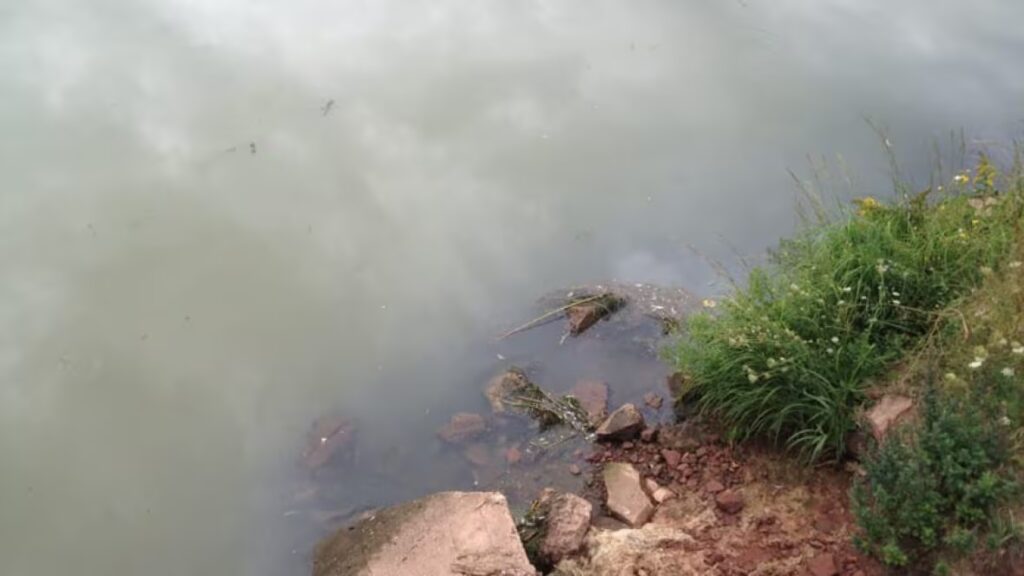
Anoxic Lakes

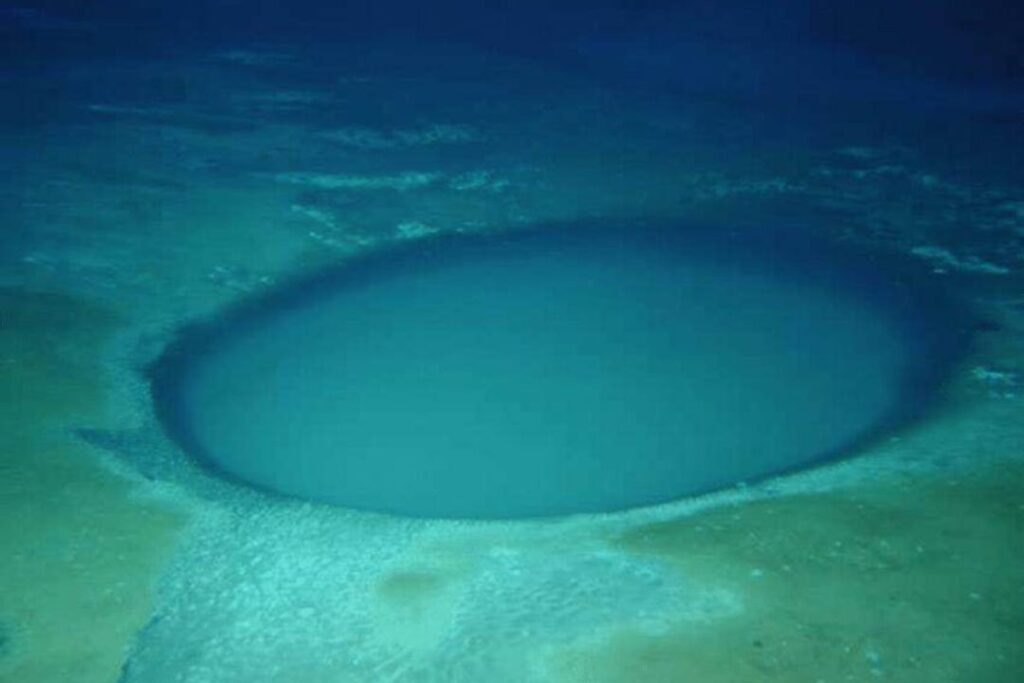
Anoxic lakes, or anoxic layers within lakes, are bodies of water where dissolved oxygen is depleted or absent. This often occurs when stratification prevents mixing and microbial decomposition consumes available oxygen. Under these conditions, specialized microbes use alternative electron acceptors such as nitrate, sulfate, or metals, producing compounds like methane or hydrogen sulfide and profoundly altering lake chemistry.

Brine pools

Brine pools are extremely salty bodies of water, often found on the seafloor or in enclosed basins, where salinity can be several times that of normal seawater. The dense brine forms sharp boundaries with overlying water and can be enriched in methane, sulfide, or metals. Microbial communities must cope with high osmotic stress and often rely on unique adaptations to maintain cellular function in concentrated salts.

Cool seep

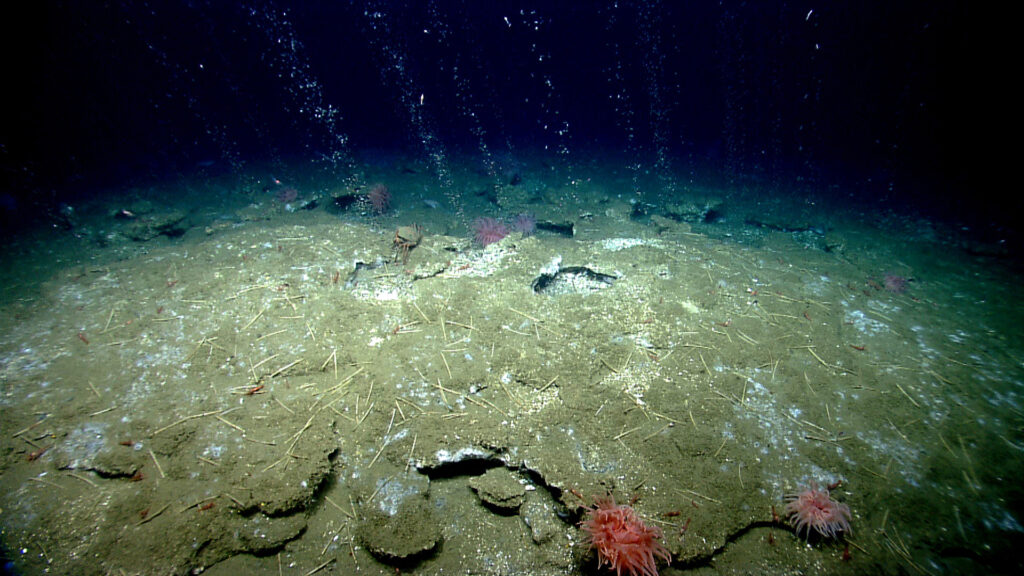
Cold or cool seeps are seafloor sites where hydrocarbons such as methane and other reduced fluids slowly escape from underlying sediments at ambient temperatures. Chemical energy from these compounds supports chemosynthetic microbes, which in turn sustain diverse animal communities. Many seep microbes play important roles in oxidizing methane before it reaches the atmosphere, influencing the global carbon cycle.

Deep sea

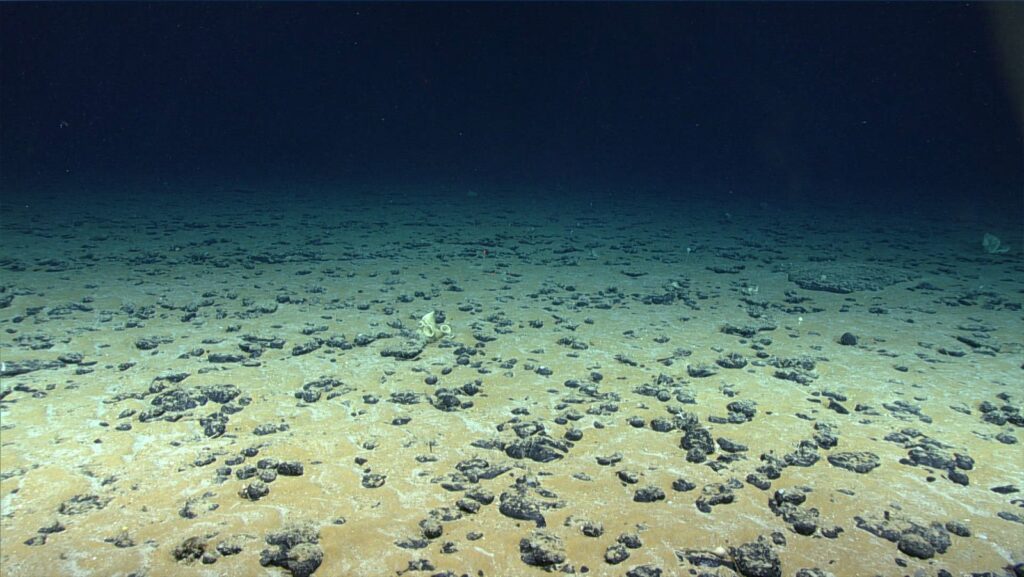
The deep sea is the vast region of the ocean that lies beyond the continental shelves, at depths below the reach of sunlight. Pressures are immense, temperatures are near freezing, and food is scarce. Yet diverse microbial communities thrive here, using chemical energy from minerals and hydrothermal fluids instead of sunlight. These deep habitats are key to global nutrient cycling and may resemble some of Earth’s earliest ecosystems.

Desert

Deserts are landscapes where evaporation greatly exceeds rainfall, often receiving less than 25 cm of precipitation per year. High solar radiation, large daily temperature swings, and chronic water scarcity make them hostile to most life. Microbes and other organisms that live in deserts have evolved strategies to avoid desiccation, repair damage from UV light, and remain dormant for long periods until rare rain events arrive.

Hot spring

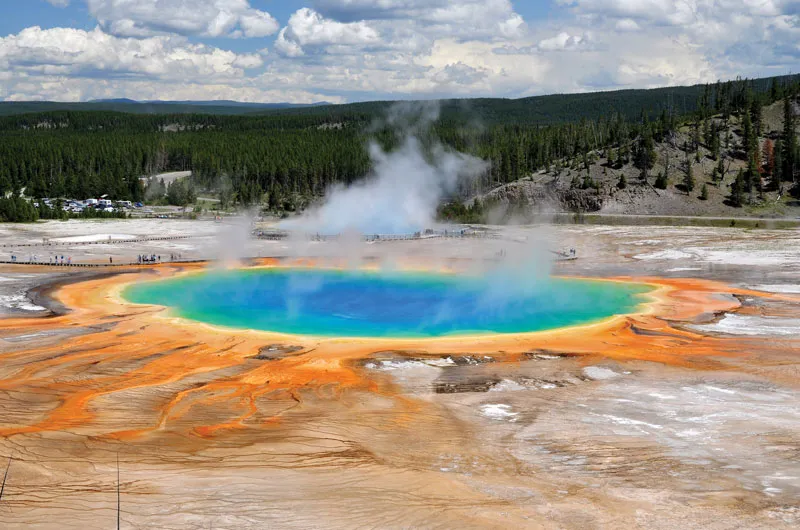
Hot springs are natural outlets where geothermally heated groundwater reaches the surface. Temperatures can range from warm to near boiling, and dissolved minerals often create striking colors and chemical gradients. Microbial communities in hot springs include thermophiles that thrive at high temperatures and can use sulfur, iron, or other compounds as energy sources. These environments have inspired many industrial enzymes used in biotechnology.

Hydrothermal vent

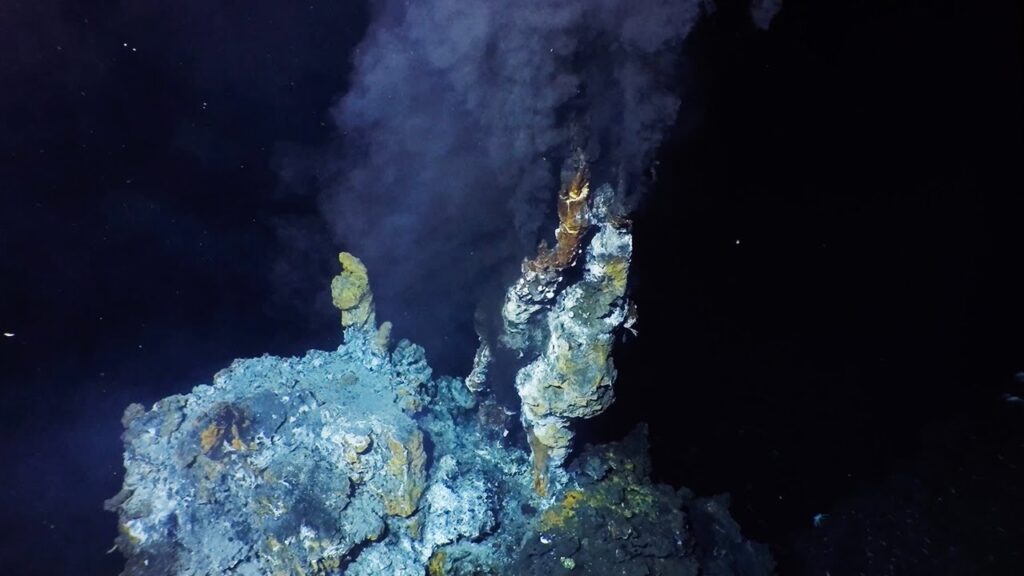
Hydrothermal vents form on the seafloor where seawater circulates through hot, volcanic rock and re-emerges enriched with metals and reduced chemicals. Temperatures near the vent fluids can exceed 300 °C, while surrounding waters are near freezing. Microbes at vents use chemical energy from compounds such as hydrogen sulfide to fuel primary production in the absence of sunlight, supporting unique deep-sea ecosystems.

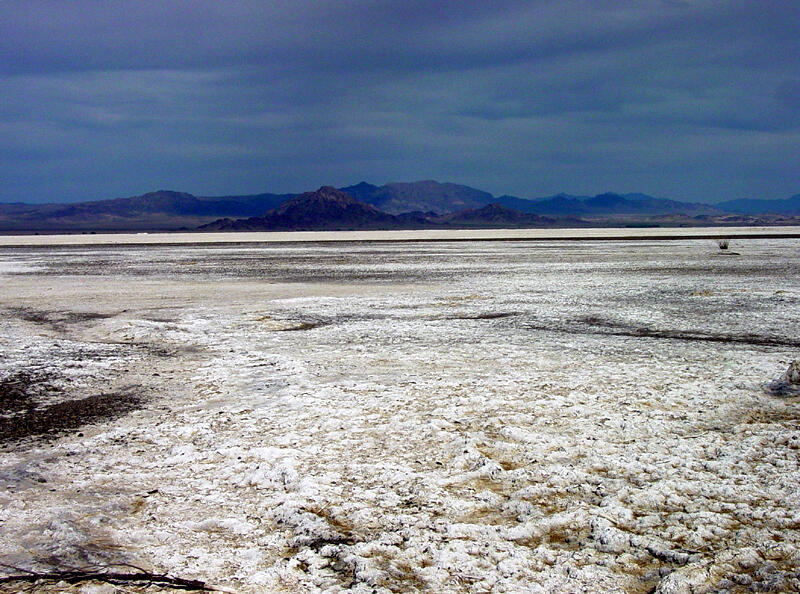
Hypersaline lake

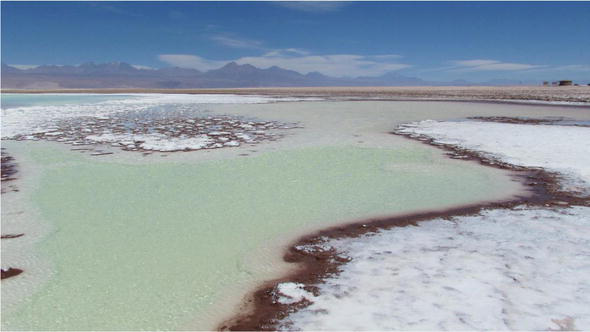
Hypersaline lakes are inland waters with salt concentrations higher than seawater, sometimes approaching or exceeding salt saturation. Strong evaporation, limited freshwater input, and closed basins all contribute to salt accumulation. Microorganisms that inhabit these lakes use strategies such as accumulating compatible solutes or specialized proteins to function in high ionic strength, making them excellent models for life in salty extraterrestrial environments.

Metal-rich environments

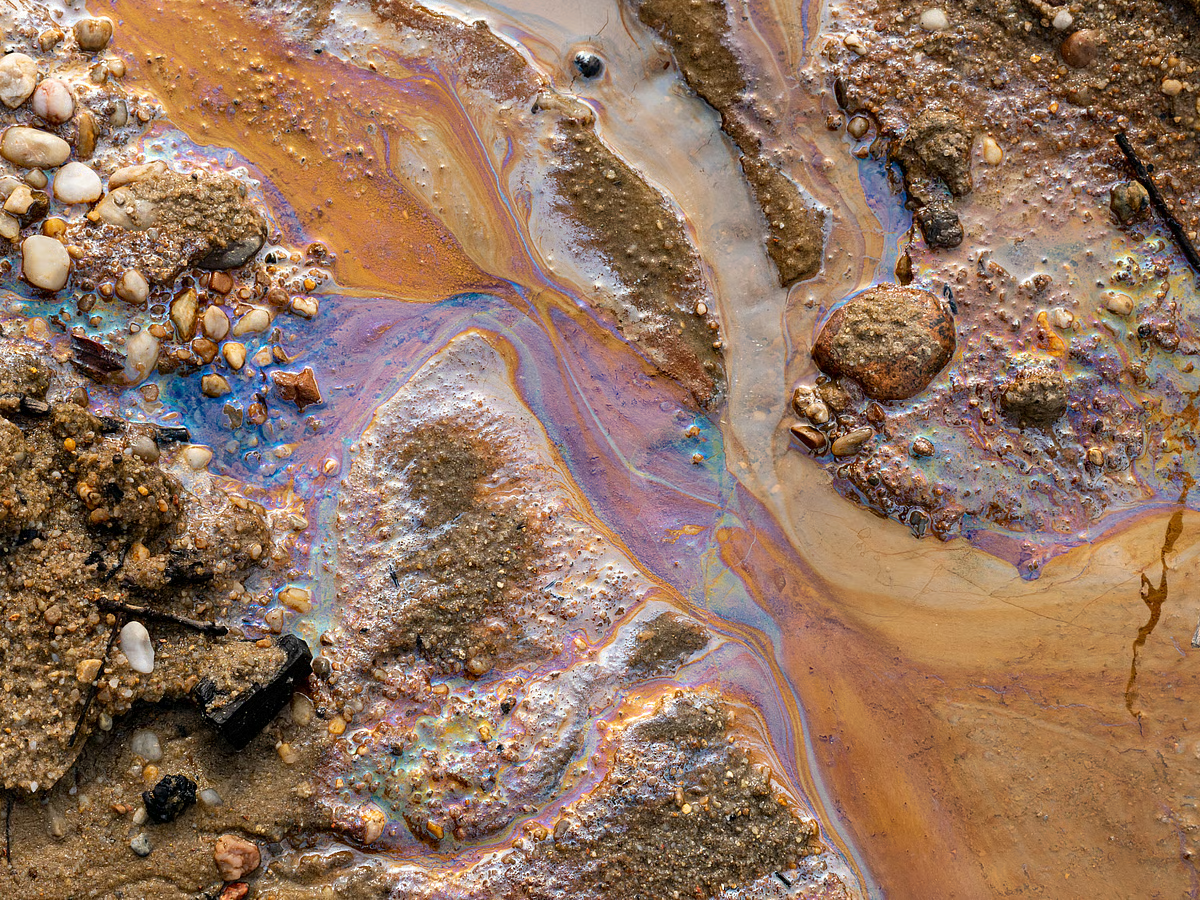
Metal-rich environments include sites impacted by mining, industrial discharges, or natural mineralization where concentrations of metals such as iron, copper, zinc, or arsenic are elevated. Many metals are toxic at high levels, yet some microbes have evolved mechanisms to pump them out, sequester them, or even use them in energy-generating reactions. These communities are important for bioremediation and metal transformation.

Paramo

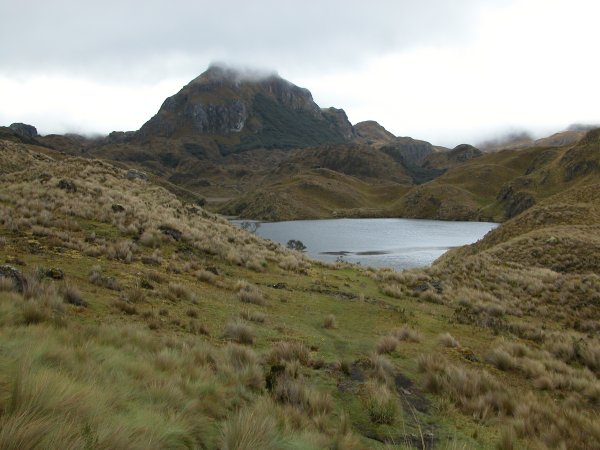
Paramo ecosystems are high-elevation tropical grasslands found mainly in the northern Andes. They experience intense solar radiation, large temperature fluctuations, frequent cloud cover, and saturated, organic-rich soils. Microbial communities must cope with low nutrient availability, cold nights, and periodic freeze–thaw cycles. Paramos act as critical water reservoirs and play an important role in regional carbon storage.

Permafrost

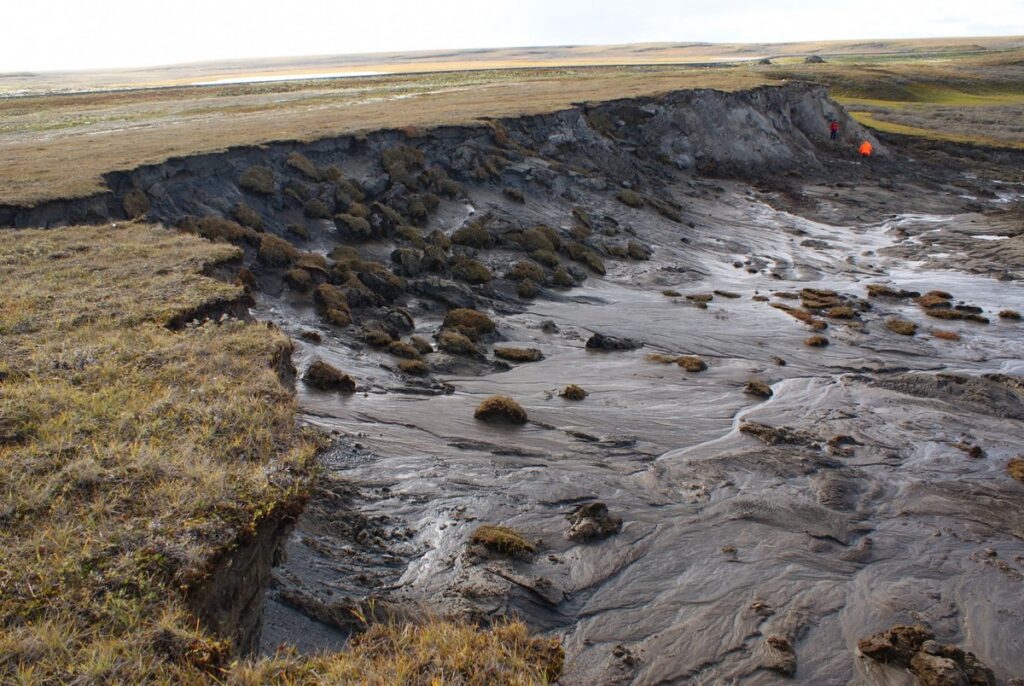
Permafrost is ground that remains frozen for at least two consecutive years, and in some places for thousands of years. Only a thin active layer thaws each summer, while deeper soils stay below 0 °C. Microbial life in permafrost persists at subzero temperatures and low liquid water availability. As permafrost thaws, these microbes decompose stored organic matter and release greenhouse gases such as carbon dioxide and methane.

Polar Region

Polar regions encompass the Arctic and Antarctic, where temperatures are low, sunlight is highly seasonal, and ice and snow dominate much of the landscape. Microbes inhabit snowpacks, sea ice, permafrost, and liquid brines within the ice. They must withstand freezing, desiccation, and long periods of darkness, yet they remain active enough to influence global biogeochemical cycles.

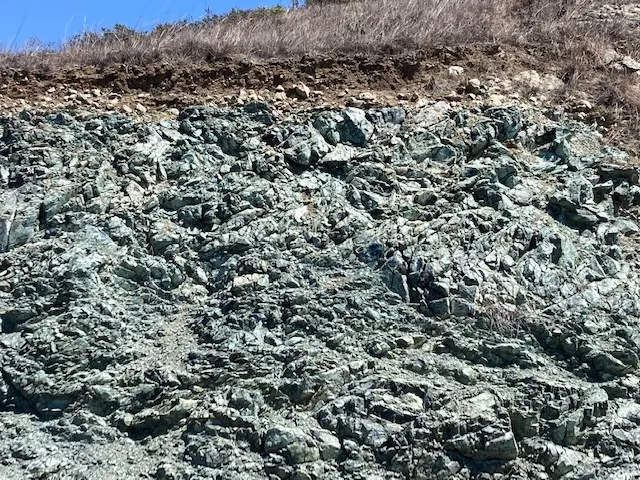
Serpentine

Serpentine soils and rocks are derived from ultramafic bedrock that is rich in magnesium and heavy metals but poor in nutrients like calcium and phosphorus. These conditions are stressful for most plants and microbes, leading to low diversity and highly specialized communities. Organisms that live on serpentine often develop unique adaptations to tolerate metal toxicity and nutrient imbalance.

Soda Lakes

Soda lakes are alkaline lakes rich in sodium carbonate and bicarbonate, with pH values often between 9 and 12. They are chemically buffered, so pH remains high even when biological activity is intense. Despite their caustic conditions, soda lakes host dense microbial communities that can tolerate both high pH and variable salinity, and they contribute to the cycling of carbon, nitrogen, and sulfur.

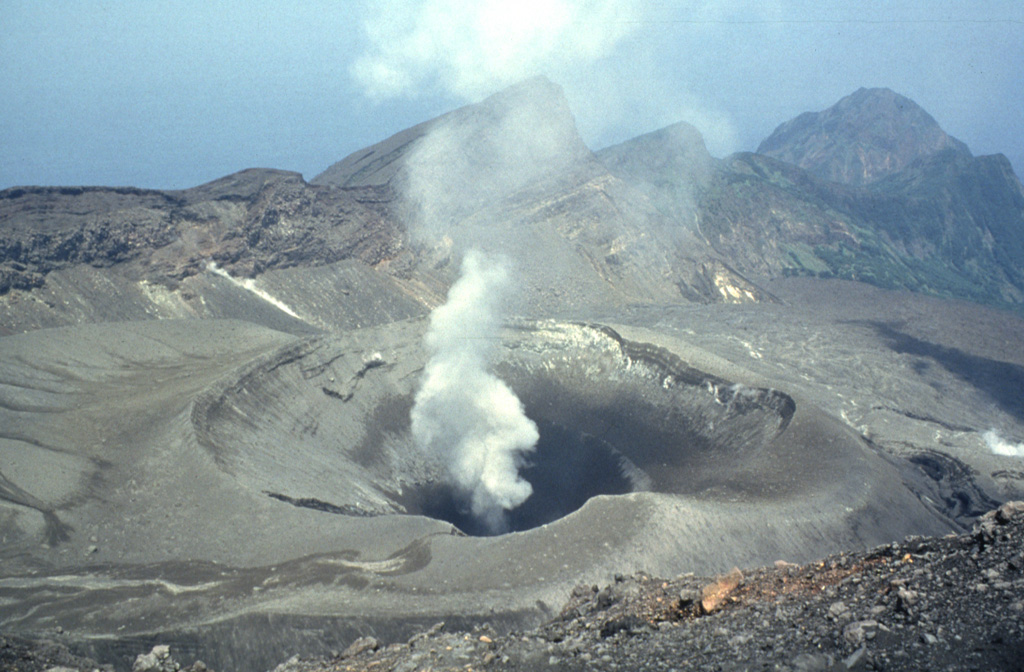
Volcanoes

Volcanic environments include fresh lava flows, fumaroles, and ash-covered landscapes where temperatures, gases, and mineral compositions can be extreme. Microbes colonizing these sites often tolerate high temperatures, acidity, and exposure to volcanic gases such as sulfur dioxide. Over time they help weather new rock, form soils, and create conditions that allow plants and other organisms to establish.